The Entrepreneurial Spark: From Humble Beginnings to Early Ventures
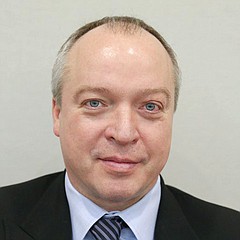
The story of Andrei Skoch is a compelling narrative of ambition, adaptability, and strategic maneuvering within the dynamic landscape of post-Soviet Russia. Born on January 30, 1966, Andrei Vladimirovich Skoch's trajectory from owning a local bakery to becoming a formidable steel magnate is a testament to his entrepreneurial spirit. Understanding the genesis of his wealth, particularly the factors contributing to Andrei Skoch's net worth, requires a look back at his formative years and initial forays into the burgeoning Russian economy.
Skoch's early life saw him attend the same athletics school, Institute of Physical Culture, as his future business partner, Lev Kvetnoi, in a settlement near Moscow. This shared background likely fostered a bond and a competitive drive that would prove beneficial in their joint ventures. The late 1980s marked a period of immense change in Russia, opening doors for private enterprise. Skoch was quick to seize these opportunities, beginning with a relatively modest, yet essential, venture: a bakery opened with Kvetnoi. This initial step into the world of business provided practical experience in operations, management, and understanding consumer demand.
From bread to bytes, Skoch demonstrated a keen ability to pivot and adapt to emerging markets. He transitioned from the bakery business to selling computer components, a sector experiencing rapid growth globally and domestically. This move highlighted his foresight in identifying high-potential industries. Following this, he diversified further, acquiring interests in fuel distribution companies. Each step, from consumer goods to technology to essential resources, built a foundation of diverse experience and capital that would be crucial for his future success. He also held the post of Deputy General Director at "Kuznetsov and Partners LLC," further broadening his corporate management expertise.
Insight: The early years of any successful entrepreneur often reveal a pattern of identifying market gaps, adapting quickly, and not being afraid to pivot. Skoch's journey from a bakery to computers and fuel distribution exemplifies this dynamic adaptability, laying the groundwork for significant wealth accumulation.
Forging a Fortune: The Steel Empire and Strategic Alliances
The real acceleration in Andrei Skoch's financial ascent, and a significant contributor to Andrei Skoch's net worth, came with his entry into the investment world and the formation of strategic partnerships. In 1995, he joined the investment company "Interfin" as Deputy General Director. This move proved pivotal, providing him with the platform and connections to engage in larger-scale capital ventures.
It was through Interfin that Skoch's path converged with that of fellow billionaire Alisher Usmanov, a figure who would become central to his long-term success. Together with his former partner Lev Kvetnoi, Skoch merged their collective business interests with Usmanov's. This consolidation of assets and expertise created a powerful force, particularly within the metals and mining sector. The most significant outcome of this alliance was Skoch becoming a part-owner of Lebedinsky Mining, a major steelmaker. This strategic move placed him at the heart of Russia's vital steel industry, a sector renowned for generating immense wealth.
The steel industry is capital-intensive and requires robust infrastructure, significant operational scale, and strong market positioning. By becoming a key player in Lebedinsky Mining, Skoch secured a stake in an enterprise with vast assets and substantial revenue streams, solidifying his status as a "steel magnate." While Lev Kvetnoi eventually sold his shares, Skoch remained deeply entrenched in the business, reaping the benefits of the burgeoning global demand for steel and raw materials.
Practical Tip: Strategic alliances can be a game-changer for business growth. Identifying partners whose strengths complement yours, and whose vision aligns, can unlock opportunities and capital that would be unattainable individually. However, clear agreements and understanding of future roles are crucial, as exemplified by Kvetnoi's eventual departure.
Politics and Philanthropy: A Dual Role and Family Holdings
Andrei Skoch's career took a significant turn in 1999 when he was elected a member of the State Duma, Russia's legislative body. This transition from a purely business executive to a politician introduced a new layer of complexity and influence to his profile. While it granted him a platform for public service and political engagement, it also came with a crucial restriction: members of the Duma are not permitted to directly own stakes in businesses.
To comply with this regulation while retaining his substantial business interests, a sophisticated arrangement was put in place. Skoch's shares in USM Holdings – a diverse conglomerate that includes his interests in the steel sector (like Lebedinsky Mining) and other ventures linked to Alisher Usmanov – are held by close family members. Specifically, his father, Vladimir Skoch, and his daughter, Varvara Skoch, became the official holders of these key business stakes. This arrangement ensures that the wealth generated by these enterprises continues to contribute to Andrei Skoch's Fortune: Why His Family Holds Key Business Stakes, even as he fulfills his political duties.
Beyond his political role and business interests, Skoch is also known for his philanthropic endeavors, primarily through the Pokolenie (Generation) International Charitable Foundation. This foundation supports various social programs, including healthcare, sports, education, and cultural initiatives. While the full extent of his charitable contributions is not always publicly detailed, his involvement in philanthropy presents another dimension to his public persona, often common among high-net-worth individuals who seek to leverage their influence for social good.
Fact: The practice of transferring business assets to family members to comply with political office regulations is not uncommon globally, particularly in countries with strict anti-corruption laws or conflict-of-interest statutes. It highlights the intricate dance between private wealth and public service.
Sanctions and Scrutiny: The Shadow Over a Billionaire's Legacy
The latter part of Andrei Skoch's career has been significantly shaped by international scrutiny and sanctions, casting a shadow over his considerable fortune and public standing. In 2018, the U.S. government imposed sanctions on Skoch, citing "longstanding ties to Russian organized criminal groups." These allegations, which Skoch has publicly denied, have had profound implications for his global financial activities and reputation. The U.S. sanctions typically involve freezing assets within U.S. jurisdiction and prohibiting transactions with sanctioned individuals.
The pressure intensified in 2022 following Russia's full-scale invasion of Ukraine. Both the European Union and the United Kingdom followed suit, imposing their own sanctions on Skoch. These measures are often part of broader efforts to target Russian oligarchs and influential figures perceived to be close to the Kremlin, aiming to exert economic pressure and isolate the Russian elite. The sanctions by major Western powers mean that Skoch faces severe restrictions on international travel, banking, and business dealings outside of Russia, significantly impacting his global financial reach and directly influencing aspects of Andrei Skoch: Russia's Sanctioned Billionaire & Duma Member.
The allegations of ties to organized crime, coupled with the more recent geopolitical sanctions, underscore the complex and often controversial nature of wealth accumulation in post-Soviet Russia. Many Russian billionaires amassed their fortunes during a period of rapid privatization and economic restructuring, a time that some critics argue was characterized by a lack of transparency and regulatory oversight. While Skoch denies the specific allegations, the sanctions highlight the ongoing challenges for individuals of his stature operating on the global stage, especially in an era of heightened geopolitical tensions.
Analysis: The impact of sanctions extends beyond immediate financial restrictions. They can severely damage an individual's reputation, limit access to international markets, and complicate long-term wealth management strategies, forcing a re-evaluation of how and where assets are held.
Conclusion
Andrei Skoch's journey from a simple bakery owner to a billionaire steel magnate and long-serving member of the State Duma is a remarkable narrative of ambition, strategic acumen, and adaptation to a rapidly changing economic and political landscape. His early ventures laid the groundwork, while his shrewd partnerships, particularly with Alisher Usmanov, catapulted him into the upper echelons of Russian industry. The mechanisms by which his family holds significant stakes in his enterprises underscore the intricate relationship between business and politics in Russia.
Despite his undeniable business success and political influence, Skoch's legacy is also marked by significant controversy, notably the U.S., EU, and U.K. sanctions levied against him for alleged ties to organized crime and his proximity to the Russian government. These sanctions have added a complex dimension to his public profile and the broader understanding of Andrei Skoch's net worth, making him a figure who embodies both the immense opportunities and the inherent challenges of Russia's post-Soviet economic transformation.