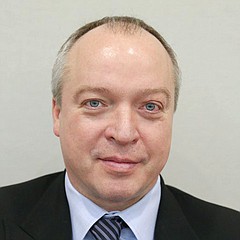
Andrei Skoch's Fortune: Why His Family Holds Key Business Stakes
The world of Russian billionaires is often complex, intertwined with political influence and intricate ownership structures. Among them, Andrei Vladimirovich Skoch stands out not just for his substantial wealth, but for the unique way his assets are formally managed. While he remains a prominent figure in business and politics, a significant portion of what constitutes the estimated Andrei Skoch net worth is legally held by close family members. This arrangement is not merely a preference but a direct consequence of his long-standing role within Russia’s legislative body, the State Duma.
Understanding the intricacies of Skoch's financial architecture requires a dive into his entrepreneurial journey, his political career, and the regulatory environment that shapes the financial landscape for powerful individuals in Russia. This article will unravel the reasons behind this family-centric holding strategy, shedding light on the journey that led Skoch from humble beginnings to a position among the nation's wealthiest, even as he navigates the complexities of international sanctions.
The Genesis of a Fortune: From Bakery Owner to Steel Magnate
Andrei Skoch's path to immense wealth is a classic tale of post-Soviet entrepreneurial spirit, marked by strategic partnerships and a keen eye for opportunity. Born in 1966, Skoch began his professional life not in the boardrooms of steel giants, but in far more modest ventures. In the late 1980s, alongside his former partner Lev Kvetnoi, a fellow student from the Institute of Physical Culture, he ventured into business by opening a bakery. This initial foray into entrepreneurship was followed by diverse activities, including the sale of computer components and ownership of fuel distribution companies, laying a varied foundation for his future endeavors.
His career trajectory gained significant momentum in the mid-1990s. After holding the post of Deputy General Director at "Kuznetsov and Partners LLC," Skoch joined the investment company "Interfin" in 1995 as Deputy General Director. Interfin proved to be a pivotal stepping stone, allowing him to consolidate capital and forge crucial alliances. It was through this connection that Skoch and Kvetnoi merged their burgeoning business interests with those of the influential billionaire Alisher Usmanov. This merger was instrumental in the formation of what would become USM Holdings, a diversified group with significant interests in metals and mining, telecommunications, and internet businesses.
A cornerstone of this empire, and a primary source of Skoch's immense wealth, is the steelmaker Lebedinsky Mining. Located in Russia's Belgorod region, Lebedinsky Mining is one of the world's leading producers of hot briquetted iron (HBI), a premium raw material for steel production. This strategic investment transformed Skoch from a diversified entrepreneur into a key player in the global steel industry. While Kvetnoi later sold out his stake, Skoch remained deeply entrenched, solidifying his position as a true industry magnate. To learn more about his fascinating ascent, explore The Rise of Andrei Skoch: From Bakery Owner to Steel Magnate.
The Duma Dilemma: Why Family Holds the Reins
The most distinctive aspect of Andrei Skoch's financial arrangement stems directly from his political career. Since 1999, Skoch has served as a member of the State Duma of the Russian Federation, Russia's lower parliamentary house. While this position grants significant influence and prestige, it also comes with stringent legal restrictions, particularly concerning business ownership. Russian law, like that in many other countries, aims to prevent conflicts of interest and corruption by prohibiting elected officials from directly owning or managing commercial enterprises.
To comply with these regulations while still retaining his economic interests, Skoch adopted a common strategy among Russian politicians: he transferred his significant business stakes to trusted family members. Specifically, his shares in USM Holdings, which represent a substantial portion of his overall fortune, are legally held by his father, Vladimir Skoch, and his daughter, Varvara Skoch. This arrangement allows Andrei Skoch to fulfill his duties as a legislator without formally owning businesses, while the economic benefits of his investments continue to accrue to his immediate family.
This structure highlights a broader dynamic within Russia's elite, where close family ties often play a critical role in managing and preserving wealth across political and business divides. For an individual whose Andrei Skoch net worth places him among Russia's richest, this familial delegation of ownership is not just a legal workaround but a strategic decision to maintain influence and ensure compliance with national laws. It underscores the importance of trust and lineage in maintaining economic power in such a complex socio-political landscape.
Navigating Ethical and Legal Complexities
While legally compliant within Russia, such arrangements naturally raise questions about transparency and actual control. Critics often argue that while the letter of the law is met, the spirit of preventing conflicts of interest might be undermined. However, from a practical standpoint, this is a widely accepted and utilized method for politically engaged businessmen in Russia to separate their political roles from their economic interests. It represents a pragmatic solution to a very real regulatory challenge, allowing high-net-worth individuals to serve in public office without entirely divesting from the ventures that built their fortunes.
Navigating Scrutiny: Sanctions and Allegations
Beyond the domestic legalities of business ownership, Andrei Skoch's career and fortune have been subject to intense international scrutiny, culminating in significant sanctions from several Western nations. In 2018, the United States sanctioned Skoch, citing "longstanding ties to Russian organized criminal groups." These allegations, which Skoch has consistently denied, cast a shadow over his reputation and complicated his international business dealings. The U.S. Treasury Department's actions were part of a broader effort to target Russian oligarchs and officials perceived to be supporting illicit activities or undermining global stability.
The pressure escalated further in 2022 following Russia's invasion of Ukraine. In concert with many other prominent Russian figures, Skoch was subsequently sanctioned by the European Union and the United Kingdom. These additional sanctions further restrict his ability to travel, access international financial markets, and conduct business in a significant portion of the global economy. For a billionaire whose wealth is intricately tied to international trade and investment, such measures have profound implications, not just for his personal finances but also for the operational aspects of the companies he is associated with.
The imposition of these sanctions highlights the ongoing geopolitical tensions and the increasing willingness of Western governments to use financial penalties as a tool of foreign policy. For individuals like Skoch, it presents a formidable challenge in managing their wealth and reputation on a global scale. Despite his denials regarding the allegations, the sanctions stand as a testament to the complex and often contentious relationship between powerful Russian businessmen and the international community. For more on this aspect, delve into Andrei Skoch: Russia's Sanctioned Billionaire & Duma Member.
The Enduring Legacy and Future Outlook
Andrei Skoch's journey from selling computer components to becoming a steel magnate and a long-serving member of the State Duma is a compelling narrative of ambition, strategic acumen, and adaptation. His story is particularly illustrative of how political service and vast business interests coexist in Russia, often through arrangements that place formal ownership in the hands of trusted family members. The decision to have his father, Vladimir Skoch, and daughter, Varvara Skoch, hold his business stakes is a critical element in maintaining his financial standing while adhering to Russian legal requirements for public officials.
The complexities surrounding the true nature of the Andrei Skoch net worth – a figure that places him among the world’s wealthiest but is formally distributed among family – are further compounded by the weight of international sanctions. These measures not only challenge his personal mobility and financial access but also underscore the tightrope walk many Russian oligarchs must navigate between domestic political roles and global economic engagement.
As the geopolitical landscape continues to evolve, the future of Skoch's fortune and his family's role in managing it will undoubtedly remain a subject of interest. His career trajectory and the distinctive structure of his wealth offer valuable insights into the dynamic interplay of business, politics, and family in the upper echelons of Russian society.